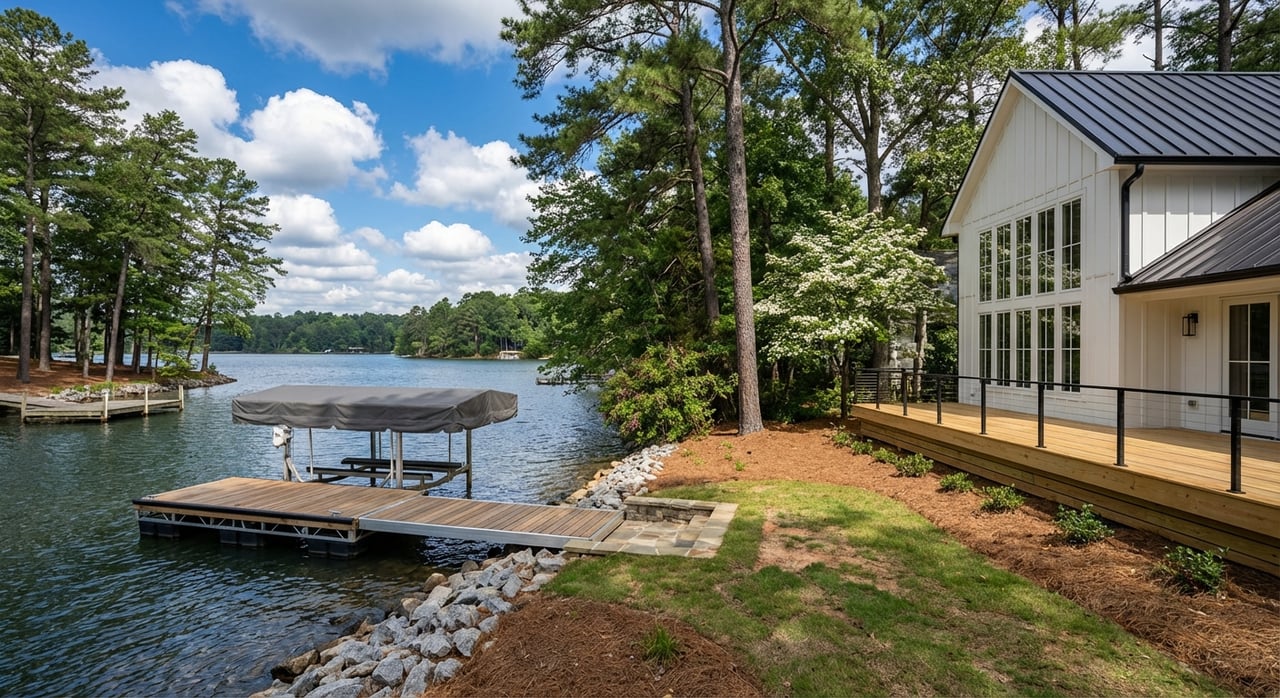
Why do two Lake Wedowee homes that look alike online end up thousands of dollars apart in price? If you’ve ever wondered why one sells fast while another lingers, you’re not alone. On Lake Wedowee, the lot usually drives value more than the house itself. In this guide, you’ll learn the exact lake and lot factors that move price, what to verify before you buy or sell, and how to read listings like a local. Let’s dive in.
Lake basics that shape value
Lake Wedowee is the R.L. Harris Reservoir, an Alabama Power impoundment created in the early 1980s. Its operations and history are documented by Auburn University’s water resources program, which confirms the lake’s identity and management context for buyers and sellers to consider (learn more about the reservoir).
Physically, the lake spans roughly 9,800 to 10,700 acres with about 270 miles of shoreline. Average depths run near 40 feet with deeper points over 100' in select areas. These numbers explain why you see “big-water” vs. “cove” language in listings (market pages often reference these stats).
Location adds demand. Wedowee is within roughly a 1 to 1.5 hour drive of parts of metro Atlanta and within reach of Birmingham, which brings a steady second-home buyer pool. Inventory usually includes a mix of lots and homes across wide price bands, from lower-priced undeveloped parcels to over seven-figure lakehouses.
The biggest price drivers
Deep water and year‑round usability
Water depth at the shoreline is often the number one driver. Buyers who plan to boat value a dock they can use across seasons. Shallow or seasonally variable shoreline reduces utility and buyer demand. Alabama Power lowers the lake level 2'/week in October for flood control and raises the level back to full pool in April every year
Shoreline type and frontage feet
Not all waterfront is equal. Linear shoreline feet, cove vs. point exposure, and whether there’s a seawall or natural bank all change value. As one example, a Lake Geneva Drive lot advertised about 140 feet of frontage at roughly $75.9k, while other lots with gentler slopes or stronger positions list much higher. The takeaway is simple: frontage and shoreline character help explain price spreads (see the example listing).
Lot slope and view corridors
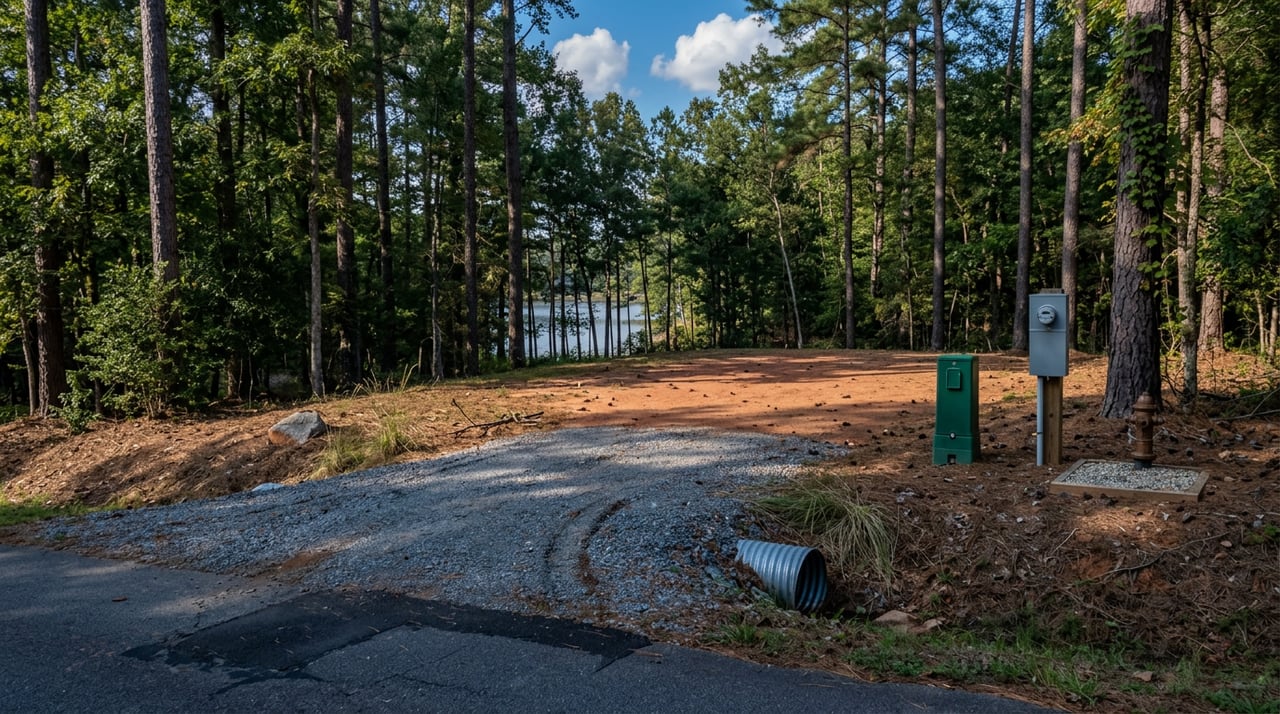
A gentle slope to a potential dock site with a year‑round water view tends to command a premium over steep banks that require long stairs or major retaining work. “Big‑water” views often read as more valuable to most buyers, while protected coves can appeal to those who prefer calm water. Local listings frequently spotlight “gentle slope” vs. “steep drop‑off,” which is a key reason similar‑size lots price differently (see a slope-focused example).
Dock, lift and shoreline improvements
A functional private dock, boat lift, and a quality seawall are expensive improvements that add appeal and can add meaningful value.
Access, roads and utilities
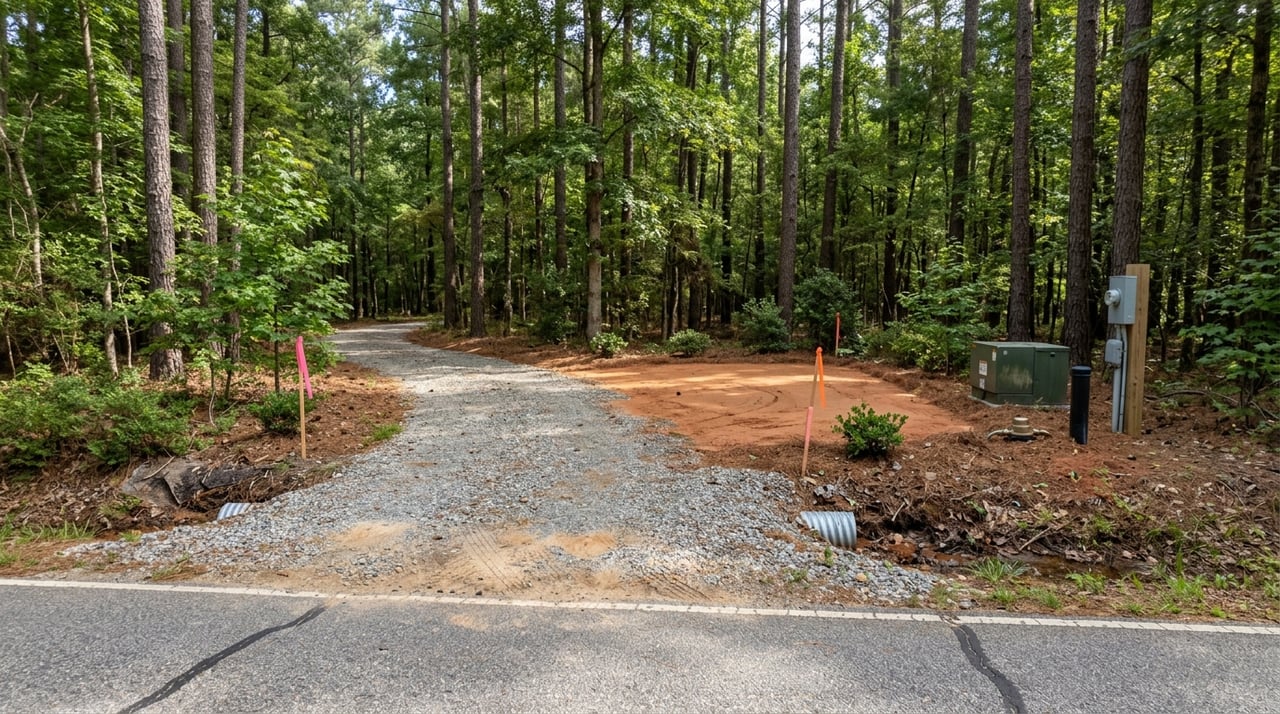
Easy access via a maintained public or quality private road, adequate parking, and available utilities can expand your buyer pool and reduce build or improvement costs. Septic suitability is a major variable on lake lots. Randolph County’s guidance outlines who to contact for septic certification, permits, and related questions, which helps you budget and avoid surprises (county permitting guidance).
Location and amenities near town
Proximity to marinas, fuel and service is a convenience premium for many buyers. Around Lake Wedowee, an active marina scene and local boat dealers help with service and access, which can increase demand near those coves (see local marina and service info). Being close to downtown Wedowee for groceries, medical services and primary highways also tends to support stronger pricing because it simplifies day‑to‑day living and weekend trips.
Home features that move price
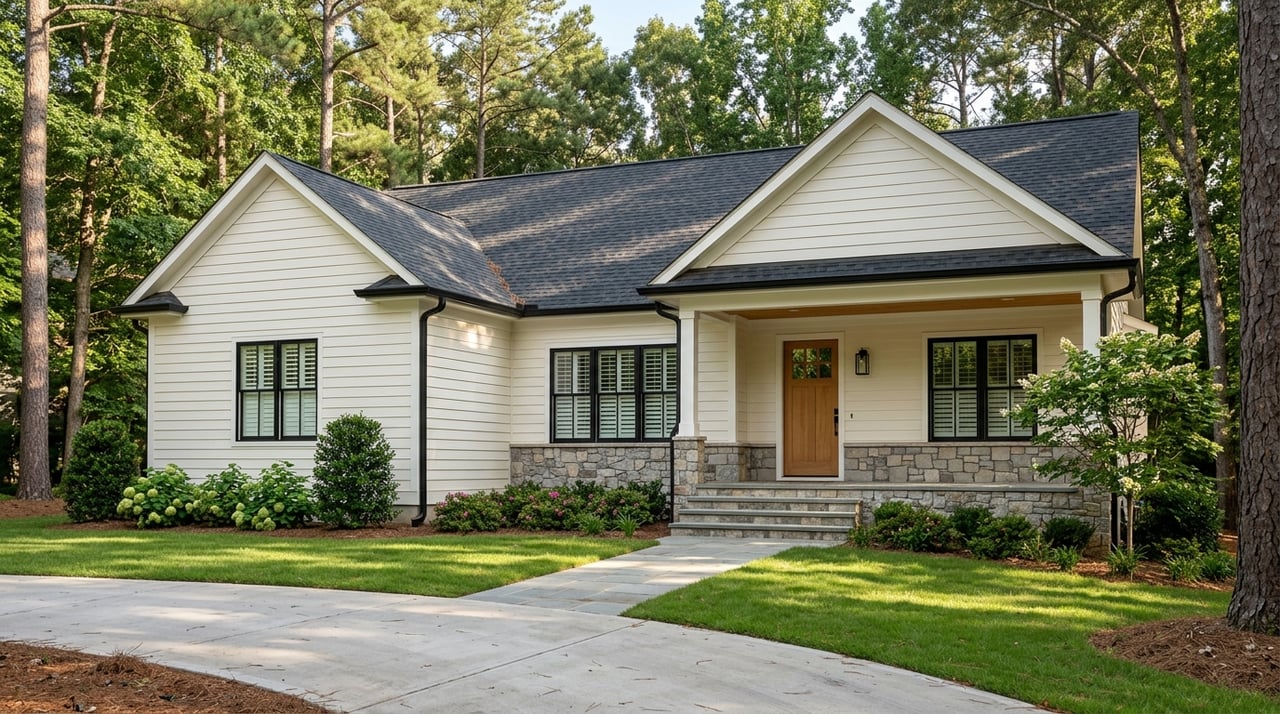
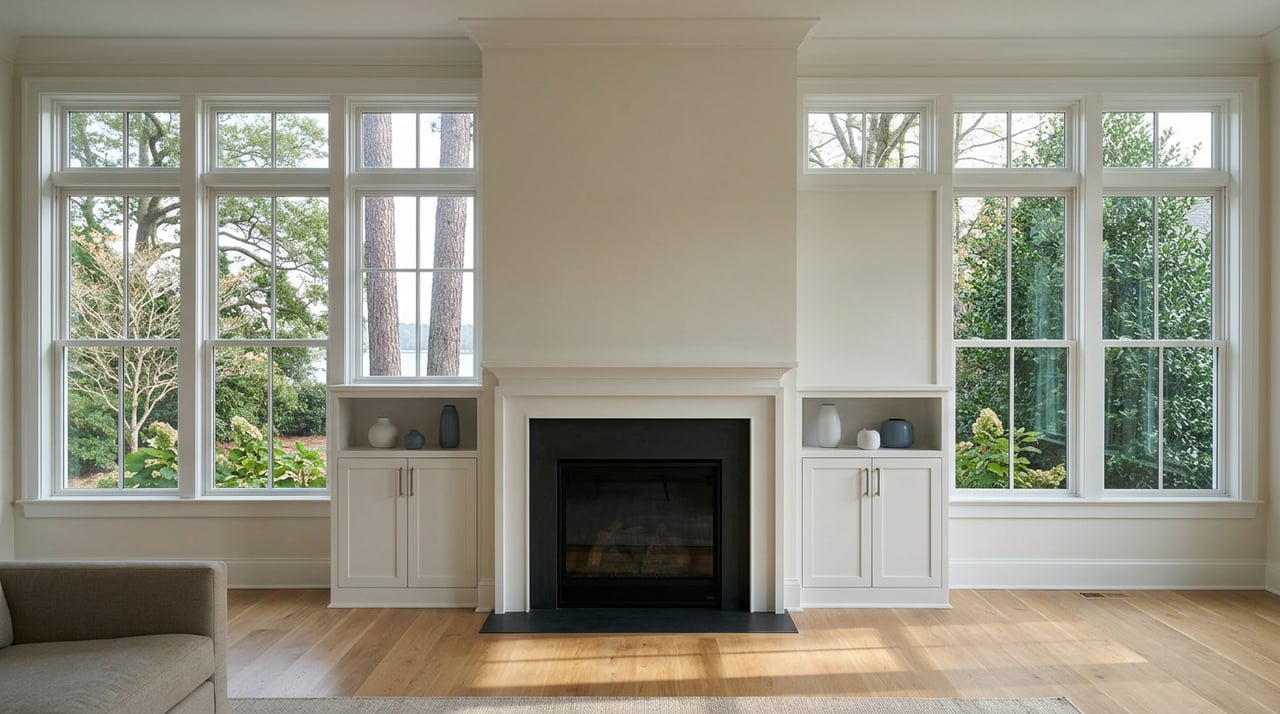
Once you consider the factors for the lot, the house still matters. Higher‑quality finishes, updated systems, and usable year‑round spaces often command premiums. Functional items such as garage or boat storage, covered parking, guest quarters, and strong internet can push values higher for second‑home buyers who work remotely.
The local market includes everything from modest cabins to higher‑end custom homes, and there have been multiple seven‑figure sales in recent years. That range is evidence that waterfront usability plus finish can push well above average pricing.
A quick example to read the spread
Imagine two half‑acre lots in the same arm of the lake. One sits on a point with deeper water at the shoreline and an easy walk to the dock site. The other is tucked deep in a back cove with seasonal shallow water and a steep drop‑off that needs stairs. Even if both lots have similar square footage, the point lot usually trades at a sizeable premium. Local listings reflect this pattern, with frontage feet, slope, and position driving price differences.
Buyer checklist: verify before you offer
Use this quick checklist to confirm value and avoid surprises.
- Confirm legal waterfront: Check the deed, survey and any recorded easements. Use the county’s parcel/GIS viewer to see parcel lines relative to the shoreline (Alabama GIS viewer).
- Docks and shoreline work: Ask for dock and seawall permits and maintenance history. Confirm whether the dock sits on private land or within a riparian easement.
- Lake levels and drawdown: Verify current and historical levels with the operator and ask whether the dock is usable at known low‑pool elevations (local low‑pool context).
- Flood risk: Pull FEMA flood maps and, if applicable, request an Elevation Certificate. Ask your lender about any insurance requirements (FEMA Flood Map Service Center).
- Septic and utilities: Contact the Randolph County Health Department for septic certification and confirm available utilities and any building permit steps (county guidance).
- Access and parking: Confirm road type and maintenance responsibility, year‑round access in bad weather, and guest parking.
- Comps close to the cove: Ask your agent for arm‑ and cove‑specific comps rather than lake‑wide averages.
Seller checklist: simple moves that add value
If you plan to sell, prepare the details buyers value.
- Gather documents: Surveys, dock and seawall permits, service records, septic info, and utility details.
- Showcase the lot: Trim for view corridors (within any applicable rules), tidy shoreline, and clear safe access to the dock.
- Declutter and update: Small fixes, fresh paint in key rooms, and tuned mechanicals help your home show well.
- Market the lake lifestyle: Professional photos and clear copy about water depth, frontage feet, access, and nearby amenities help buyers “see” the value quickly.
How to explain price gaps fast
Use this simple framework to compare two lake properties in order of typical impact:
- Waterfront usability: deep water and year‑round dock access.
- Shoreline quality: frontage feet, cove or point position, seawall or natural bank, and whether a dock and lift convey.
- Access and build costs: road quality, parking, utilities and septic feasibility.
- Location convenience: distance to marinas, ramps and town services.
- Home finish and permitted improvements: quality of interior finishes and systems.
Work with a local lake specialist
Reading a Lake Wedowee price correctly starts at the shoreline and ends with the house. If you want help verifying water depth, dock details, covenants or cove‑specific comps, you deserve guidance from someone who lives the lake every day. For a clear plan to buy or sell with confidence, connect with Bill Coats. Schedule a Free Consultation.
FAQs
What makes deep water a premium on Lake Wedowee?
- Deep water at the shoreline supports more reliable boat access across seasons, which expands how and when you can use your dock and increases buyer demand.
How do seasonal drawdowns affect a dock’s value?
- Lower winter pools can expose hazards and reduce dock usability in shallow coves, so always verify low‑pool access and dock height with the operator before you buy.
Do docks and seawalls get covered by insurance?
- Many flood and homeowners policies exclude docks and seawalls, so request documentation and plan for maintenance and replacement costs when you price a property.
How can I confirm true waterfront and flood risk?
- Review the deed and a recent survey, compare parcel lines to the shoreline with a county GIS viewer, and check FEMA flood maps to understand risk and lender requirements.
Are short‑term rentals allowed around Lake Wedowee?
- Rules vary by subdivision and any recorded covenants; confirm rental policies, insurance requirements and safety standards before assigning value to rental income.
What utilities and septic checks should I do on a lake lot?
- Confirm available utilities at the road, ask the county about septic certification, and factor any improvement or permitting steps into your timeline and budget.