Thinking about buying a lot on Lake Wedowee and building your own lake place? You’re not alone. Lots on R.L. Harris Reservoir are special, and the path from search to build has a few extra steps that can make or break your plans. In this guide, you’ll learn the key rules, permits, and checks that protect your investment and keep your project moving. Let’s dive in.
Lake Wedowee basics for lot buyers
Lake Wedowee is the R.L. Harris Reservoir, managed by Alabama Power. The utility oversees shoreline use and keeps a summer pool around 793 feet mean sea level. Before you plan a dock, boathouse, or bank work, review Alabama Power’s lake page and the Lake Harris Residential Shoreline Guidelines, which spell out what is allowed and how to get permits. Start with the overview on the Lake Harris page and the full Lake Harris guidelines.
- Learn the lake’s shoreline policies on the Alabama Power Harris page: Lake Harris overview and shoreline policies
- Read the official rules on size limits, setbacks, materials, applications, and timelines: Lake Harris Residential Shoreline Guidelines (PDF)
Your step-by-step roadmap
Search and quick checks
When you find a promising lot, run a simple pre-offer screen so you know what you are buying.
- Call or email Alabama Power Shoreline Management about permit history and eligibility. Ask if a shoreline permit exists for the parcel and what structures may be allowed under current rules. Use the Lake Harris guidelines as your reference.
- Confirm local contacts and any county processes with Randolph County. The county website lists departments for revenue and tax questions, highway and driveway permitting, and water authority contacts. Start here: Randolph County official website
- If the lot is inside Wedowee town limits, plan to check municipal permits in addition to county requirements.
- Ask the Randolph County Health Department about septic permitting and site evaluations, and plan your soil testing early: ADPH Randolph Environmental Services
- Check flood zones and base flood elevations with FEMA, especially if the building site is near the waterline: FEMA Flood Map Service Center
Title, deed, and access
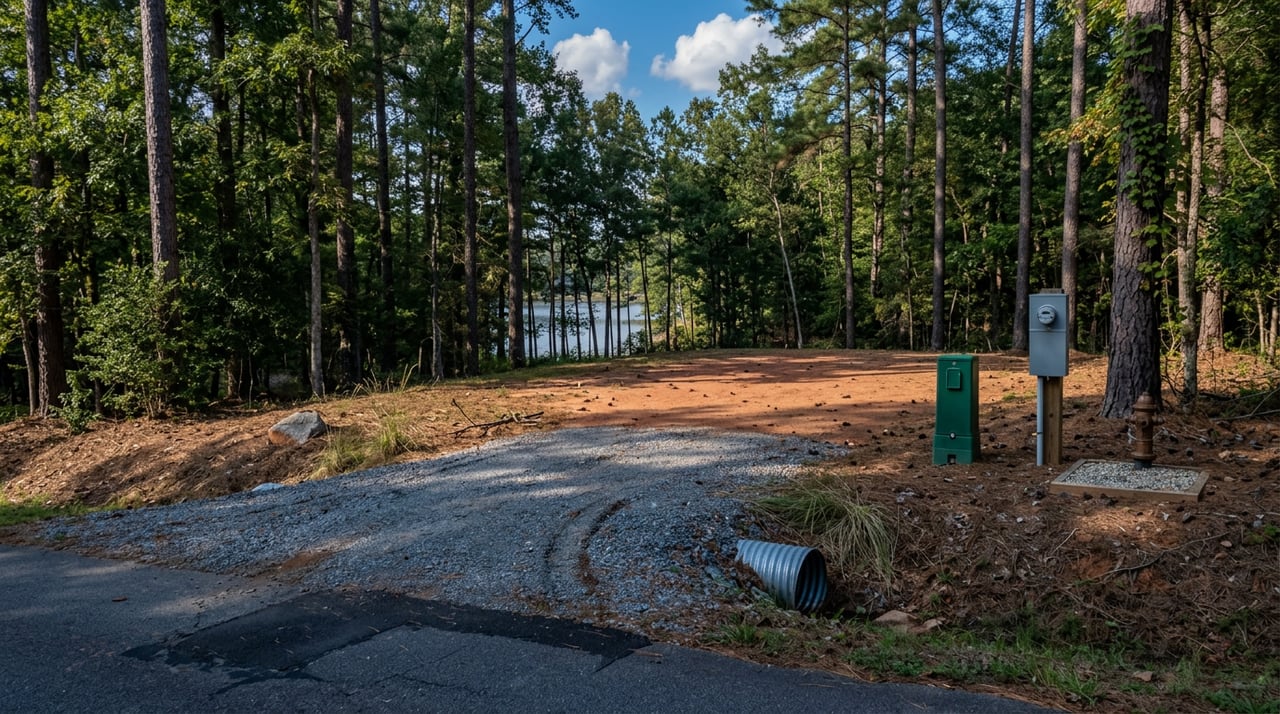
Read the deed carefully. Alabama Power often owns land near the pool and holds scenic-easement rights around the shoreline, which can limit your use. If a shoreline structure is advertised, ask for the Alabama Power permit tag number and copies of permits. Verify legal access to the parcel, including any recorded easements, and confirm driveway and culvert permits with the county highway office if you plan a new entrance.
Septic and water feasibility
In Alabama, the county health department and ADPH regulate onsite sewage. Do not assume a conventional system will be approved just because neighbors have one. Order a site evaluation, dig test holes as required, and secure a written Permit to Install before you finalize building plans. Start with guidance from ADPH Randolph Environmental Services.
Public water is available in some areas. If you prefer public service, check whether the lot lies inside a water system service area using ADEM’s directory: ADEM drinking water systems search. If a private well is required, plan for a licensed driller and water testing through the local health department.
Utilities and internet
Confirm who serves electric at the site, then request a make-ready estimate and timeline for new service. If you will have power at a dock, note that Alabama Power’s shoreline guidance expects you to coordinate with your electric provider. Internet options vary by area in Randolph County, so check availability by address early.
Soils, slope, and flood risk
Soil type and topography affect septic drainfields, foundations, and driveway design. A desktop review with the USDA NRCS Web Soil Survey can flag red flags before you spend on surveys: NRCS Web Soil Survey. Always confirm flood zones and any elevation requirements with FEMA mapping as you place your future home.
Shoreline structures and permits
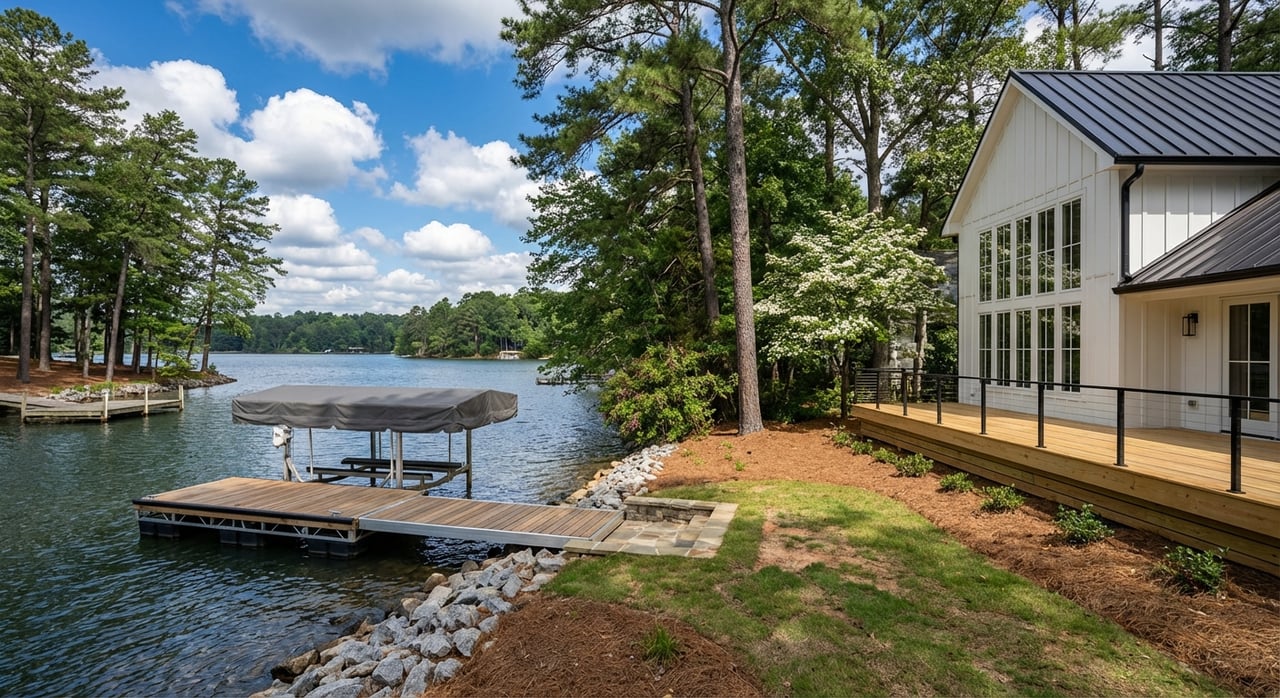
On Lake Wedowee, Alabama Power requires written permits for docks, walkways, boathouses, boat ramps, bank stabilization like rip-rap or seawalls, dredging, and other shoreline work. The Lake Harris guidelines outline limits on square footage, length and setbacks from lot lines, require non-reflective materials, and prohibit habitable features on shoreline structures. Permits typically require you to complete work within one year, with extensions possible. Review the complete rules in the Lake Harris Residential Shoreline Guidelines.
Wetlands, dredging, and extra approvals
If your plan touches the lakebed or affects wetlands, you may need approvals beyond Alabama Power. Dredging, fill, or some stabilization can trigger U.S. Army Corps of Engineers permits and state water-quality certification under Section 401. Contact ADEM and the Corps Mobile District early if your design includes dredging or significant shoreline work: ADEM Section 401 Water Quality Certification.
HOA, covenants, and ARC rules
Many lake communities record covenants that address building style, setbacks, dock design, or short-term rental policies. Ask the seller for all covenants and the Architectural Review Committee process. These approvals often run in parallel with county and Alabama Power permits.
Taxes and special districts
Check Randolph County revenue and tax contacts for current tax status, millage rates, and any special district assessments. The county website is your hub for departments and phone numbers: Randolph County official website.
Typical timeline from offer to build
Pre-offer rapid check, days 1 to 5: Verify deed language, ask Alabama Power about permit history, call county highway on driveway access, ask ADPH about septic steps, and run a FEMA flood check. Use the Lake Harris guidelines to confirm your shoreline thoughts.
After your offer is accepted, weeks 2 to 8: Order a boundary survey, review title exceptions, submit an Alabama Power shoreline records request or permit application, schedule your septic site evaluation with ADPH, review NRCS soils, and get electric and water make-ready quotes.
Permit reviews and design, 1 to 4 months or more: Finalize septic design and obtain the Permit to Install, apply for county and any municipal building approvals, and work through Alabama Power shoreline permit review. Remember that shoreline permits usually give a one-year window to finish permitted work, and you can request an extension if needed.
Construction and inspections, timeline varies: Install septic and obtain final approval from the county health department, complete utility connections and inspections, and secure final certificate of occupancy when your home is complete.
Timelines shift with agency workloads, engineering needs, and whether wetlands or Corps approvals are involved.
Pre-offer checklist you can use
Gather these items and include them in your contingency list.
- Recorded deed and full title chain, with any reservations or scenic-easement references.
- Current survey showing property lines, shoreline length, and any existing structures, with recorded easements and rights-of-way noted.
- Copies of any Alabama Power shoreline permit tag numbers and prior permits for existing docks, boathouses, ramps, or bank work.
- Any existing septic evaluation or permit. If none, include a contingency to order a formal site evaluation with the county health department.
- Written utility availability statements or make-ready estimates for electric, water, and broadband.
- FEMA flood map check and a flood insurance quote if your building area lies in a Special Flood Hazard Area.
- All recorded covenants, HOA rules, and any ARC application process.
Sample contingency language to discuss with your agent:
“Buyer contingency: receipt and approval of Alabama Power shoreline permit records for any existing or proposed shoreline structures, and the right to cancel if Alabama Power denies the prospective permit needed for Buyer’s intended structure.”
“Buyer contingency: satisfactory ADPH site evaluation confirming feasibility for a conventional onsite sewage system, or written acceptance by ADPH of Buyer’s planned alternative system.”
Top pitfalls to avoid at Lake Wedowee
- Using an unpermitted dock without checking Alabama Power files. Confirm the permit status and compliance to avoid costly fixes.
- Assuming a septic system will be approved. Get a site evaluation and a written Permit to Install from ADPH before you commit to build.
- Underestimating utility extension costs. Request written electric and water make-ready estimates early.
- Overlooking Corps or state approvals for dredging or bank work. Coordinate with ADEM and the Corps Mobile District before you finalize designs.
- Misreading shoreline rights. A deed and scenic-easement language can limit uses on a managed reservoir.
- Ignoring slope or soils. Steep or marginal soils can affect foundations, driveways, and drainfields; check NRCS and consider expert input.
- Skipping flood checks. Verify FEMA zones and base flood elevation to understand insurance and elevation needs.
Local resources and first calls
- Alabama Power Shorelines, Lake Harris: Lake Harris overview and shoreline policies and the Lake Harris Residential Shoreline Guidelines
- Randolph County website for departments, permits, tax, and highway: Randolph County official website
- Septic and well testing, Randolph County Health Department: ADPH Randolph Environmental Services
- State water-quality certification and coordination with USACE for dredge or fill: ADEM Section 401 Water Quality Certification
- Flood zones and BFEs: FEMA Flood Map Service Center
- Desktop soils screening: NRCS Web Soil Survey
Ready to walk lots by boat, confirm feasibility, and draft smart contingencies that protect your build? Partner with a local expert who lives the lake every day. Schedule a Free Consultation with Bill Coats to get started.
FAQs
Can I build a dock on my Lake Wedowee lot?
- Alabama Power must review and approve shoreline structures, and the Lake Harris guidelines set size, setback, and material limits. Start with a pre-application call and the Lake Harris Residential Shoreline Guidelines.
How do I confirm septic approval in Randolph County?
- Order a site evaluation through the county health department and obtain a written Permit to Install before planning construction. Details are at ADPH Randolph Environmental Services.
Do I need flood insurance for a lake home here?
- If your building area is in a Special Flood Hazard Area, lenders usually require flood insurance. Check your parcel’s flood zone and base flood elevation at the FEMA Flood Map Service Center.
Is public water available at my Wedowee lot?
- Some areas are served by municipal or authority systems. Check service coverage using ADEM’s listings: ADEM drinking water systems search, or plan for a private well with local health department guidance.
What if I want to stabilize the shoreline or dredge?
- Bank stabilization and dredging often require Alabama Power approval plus possible USACE and ADEM reviews. Contact ADEM early for state guidance: Section 401 Water Quality Certification.
How long do Alabama Power shoreline permits last?
- Permits typically require you to complete work within one year from issuance, with extensions available if requested in time. See the Lake Harris Residential Shoreline Guidelines for terms and process.