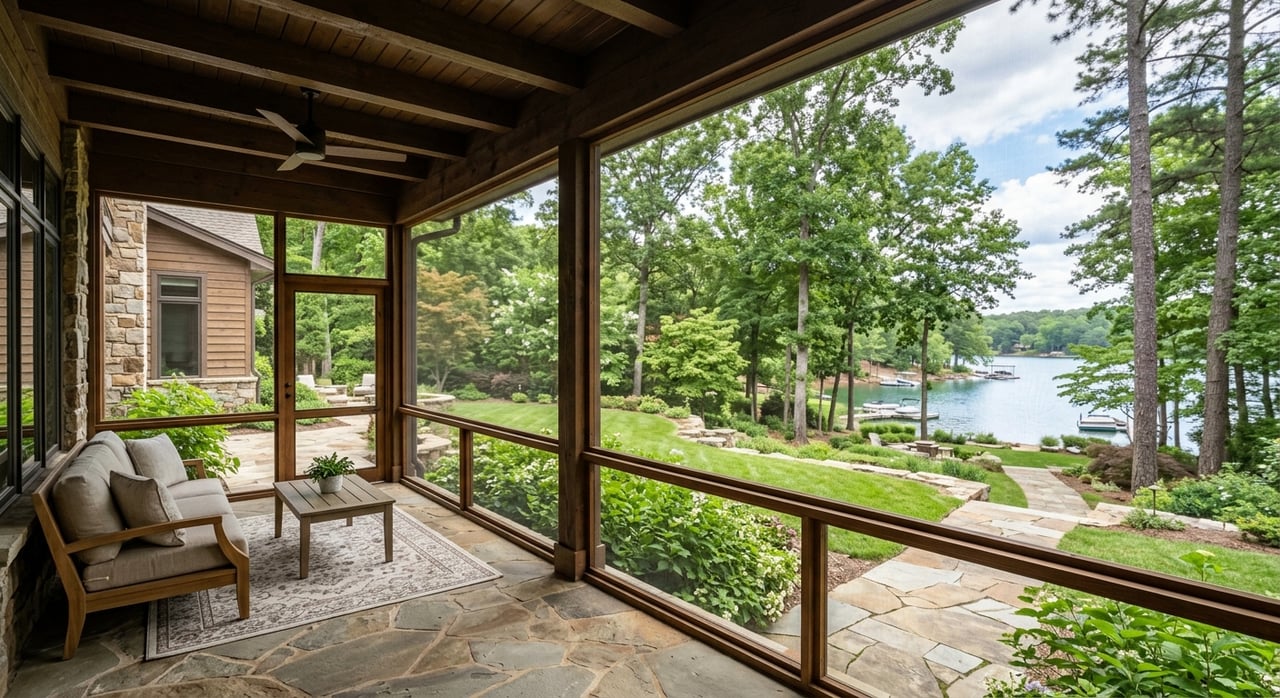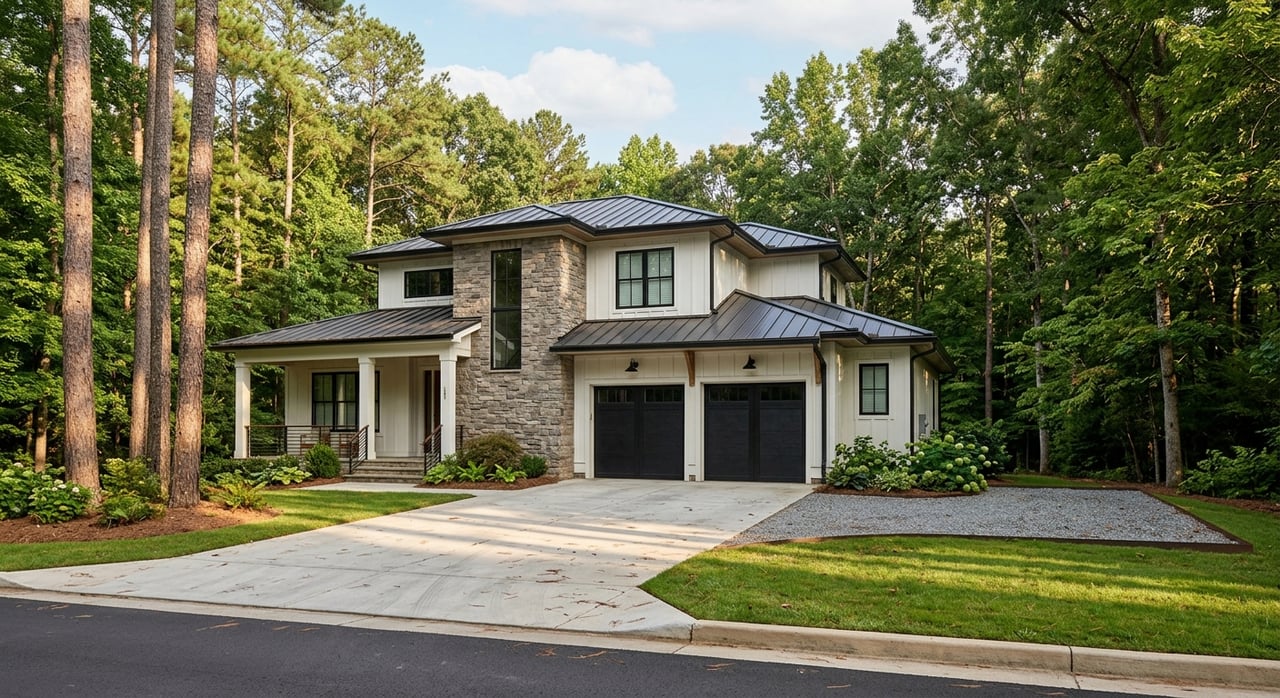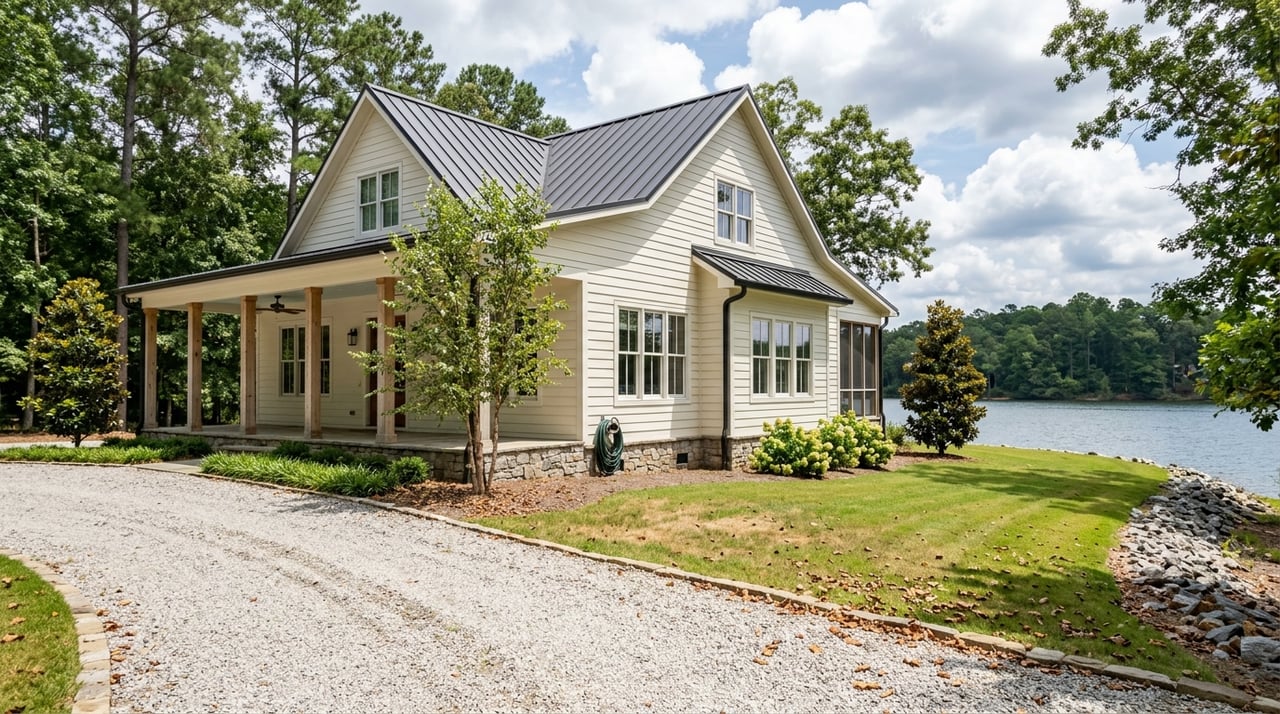
If you are looking around Woodland for a lake-oriented property, the numbers can feel a little confusing at first. In a very small market, one land sale or one home with acreage can swing the stats fast, especially in a place tied closely to the Lake Wedowee lifestyle. The good news is that when you read Woodland together with Randolph County and the broader lake market, the trends become much clearer. Let’s dive in.
Why Woodland matters to lake buyers
Woodland is a very small municipality in Randolph County, covering about 1.1 square miles with a population of 182, according to Atlas Alabama. That small size is important because it means monthly pricing data can be shaped by just a handful of sales.
For you as a buyer, that means it is smart to look beyond a single median number. A better read comes from comparing Woodland activity with Randolph County trends and the larger Lake Wedowee area.
Lake demand helps support that market. Randolph County highlights Lake Wedowee as a major local destination with more than 270 miles of shoreline, and Alabama Power notes that the lake includes recreation access and boat ramps at eight locations.
Lake Wedowee keeps buyer interest strong
For many buyers, the appeal is not just the house. It is the full lake lifestyle, including boating, fishing, recreation, and easier access to public-use sites around the reservoir.
That infrastructure matters in a real estate market. Alabama Power also says its Shorelines app provides lake conditions, weather, fishing spots, restaurants, marinas, and generator schedules, which helps explain why the area continues to attract weekend buyers, second-home shoppers, and relocation buyers.
If you are considering Woodland, you are really looking at a rural market with lake influence rather than a traditional in-town housing market. That difference helps explain why homes, lots, and larger tracts can all compete for attention at the same time.
Recent Woodland sales show a mixed market
One of the clearest trends in Woodland is that buyers are not chasing only one property type. Recent sold activity included a 1-acre lot for $90,000, a 5-acre lot for $63,000, an 84-acre tract for $510,000, and a 40-acre tract for $258,720, based on recent sold data for Woodland.
The same sold data also included homes on acreage, such as a 10-acre home for $165,000, a 3.54-acre home for $239,000, and a 3-acre home for $300,000. That tells you Woodland demand is broad, with buyers considering buildable lots, recreational land, and homes with room to spread out.
This is useful if your goal is lake access, privacy, future building potential, or a mix of all three. It also means you should compare properties by category, not just by total price.
Per-acre pricing varies a lot
Woodland is a good example of why raw per-acre pricing can only tell part of the story. Based on the sold prices above, the 84-acre tract sold for about $6,071 per acre, while the 40-acre tract sold for about $6,468 per acre.
Smaller parcels sold at much higher effective prices. The 5-acre lot worked out to about $12,600 per acre, and the 1-acre lot reached about $90,000 per acre.
That kind of spread usually points to differences in location, access, utility availability, improvement level, and lake-oriented appeal. If you are buying land in Woodland, those details can matter as much as acreage size.
What current inventory suggests
Current listing data points to a market where buyers still have room to compare options. Realtor.com’s Woodland market page shows a median listing price of $322,500, 35 homes for sale, and a median of 111 days on market in February 2026, while labeling Woodland a buyer’s market.
That buyer-friendly tilt is echoed at the county level. Realtor.com also describes Randolph County as a buyer’s market and reports 83 median days on market county-wide.
For you, this can create opportunity. A market with more time on market often gives buyers more room for side-by-side comparison, deeper due diligence, and more careful pricing review.
Asking prices and sold prices do not always match
In a small market like Woodland, it helps to understand what each data point really measures. Realtor.com shows a Woodland median listing price of $322,500, Redfin reports a Woodland median sale price of $175,000, and Zillow’s home value index for Woodland is $210,491.
Those figures are not necessarily conflicting. They measure different things, including asking prices, closed sales, and estimated home values, and each one can be influenced by a small sample size.
That is why buyers should be careful about drawing conclusions from one headline number. Looking at active listings, recent sales, and county context together usually gives a more reliable picture.
Randolph County offers stronger market context
Because Woodland is so small, county-wide trends often give you a steadier baseline. Redfin’s Randolph County housing data shows a median sale price of $334,500 in March 2026, with 16 homes sold and a median of 63 days on market.
That county median sits well above Woodland’s recent sale median, which suggests transaction mix is playing a big role. In other words, Woodland’s lower monthly median may reflect the types of properties that sold, not necessarily a simple drop in value.
Statewide conditions also support a more balanced reading of the market. The Alabama Association of REALTORS reported 19,073 active listings, 81 average days on market, 5.3 months of supply, and a median sales price of $244,520 in January 2026.
Land remains a major part of the story
If you are a lot buyer or you want future building flexibility, Woodland stands out because land is a real part of the market, not an afterthought. Zillow’s Woodland land results include listings such as 27 acres for $179,900, 8.53 acres for $213,250, 12.25 acres for $305,000, 5.2 acres for $79,900, and 1.5 acres for $84,900.
Some larger parcels have also seen notable price cuts. The 8.53-acre parcel showed a $61,750 reduction, and the 12.25-acre parcel showed a $45,000 reduction, which suggests that pricing still matters a lot for bigger or less-prepared tracts.
This creates a practical opening for buyers who are willing to be patient and compare site conditions closely. Road quality, utility access, subdivision status, and distance to lake-oriented amenities can create very different pricing tiers even within the same small area.
Rural land use supports long-term demand
Woodland sits inside a county with a strong rural land base. The USDA 2022 Randolph County profile shows 611 farms, 122,248 acres in farms, and an average farm size of 200 acres.
That helps explain why acreage remains central to the local conversation. In Randolph County, pastureland, woodland, recreational land, and homes with larger lots are part of the market structure, not just niche inventory.
For lake-oriented buyers, that can be a real advantage. You may be able to find a property that blends access to the lake lifestyle with the added space and privacy that are harder to find in tighter waterfront markets.
What this means for lake-oriented buyers
If you are shopping in Woodland, the main takeaway is simple: this is a market where details matter more than broad averages. A 1-acre homesite, a 10-acre homestead, and a large recreational tract may all sit in the same search results, but they should not be valued the same way.
A buyer-friendly pace can work in your favor. With longer days on market and mixed pricing, you may have more time to evaluate road access, topography, utilities, lake proximity, and whether a property fits your long-term goals.
It also helps to compare Woodland listings with Randolph County and nearby Lake Wedowee activity instead of relying on one comp or one portal estimate. In a thin market, context is your advantage.
How to shop Woodland more effectively
If you want to make a smart move in this market, focus on the factors that most often drive value:
- Property type: Separate house-only listings from house-plus-acreage and raw land.
- Access: Check road frontage, drive quality, and ease of reaching the lake and public-use areas.
- Utility readiness: Confirm whether power, water, and other needed services are already available.
- Usability: Review topography, build sites, drainage, and how much of the acreage is truly usable.
- Lake orientation: Consider whether you want direct waterfront, nearby access, or a rural property within easy reach of Lake Wedowee.
- Pricing position: Look for price cuts, long market time, and how each property compares with similar recent sales.
When you approach Woodland this way, the market becomes much easier to read. You stop chasing headline numbers and start evaluating what actually matters to your goals.
If you want help sorting through Woodland and Lake Wedowee opportunities, working with a local lake specialist can save you time and help you compare properties with the right context. When you are ready to talk through your plans, connect with Bill Coats for a personalized consultation.
FAQs
What makes Woodland, Alabama different from other lake markets?
- Woodland is a very small town in Randolph County, so sales data can shift quickly from month to month. For buyers, that means county-wide and Lake Wedowee context often gives a more accurate picture than a single Woodland median.
What do current Woodland real estate trends mean for lake-oriented buyers?
- Current data points to a buyer’s market with mixed pricing, longer days on market, and a wide range of property types. That can give you more room to compare homes, lots, and acreage carefully.
Are land prices in Woodland, Alabama consistent?
- No. Recent sold and active listings show that per-acre pricing can vary widely based on size, access, improvements, and lake-oriented appeal.
Is Randolph County, Alabama a good place to search for lake-access property?
- Randolph County offers a mix of homes, vacant lots, and larger tracts, and it is anchored by Lake Wedowee, which has more than 270 miles of shoreline. That makes it a useful area for buyers who want both recreation and rural space.
Why should buyers compare Woodland and Randolph County data together?
- Woodland is such a small market that one or two transactions can skew the numbers. Comparing local listings with county trends can give you a steadier view of pricing, demand, and time on market.