Buying a Lake Wedowee home with dock potential can feel exciting and a little confusing. You want easy water access, a safe place to keep your boat, and confidence that everything is properly approved. The good news is that with a clear plan, you can sort out permits and timelines before you commit. This guide breaks down who approves docks, what paperwork you should see, how long things take, and the key red flags to watch for. Let’s dive in.
Who approves docks on Lake Wedowee
Lake Wedowee is the common name for the R.L. Harris Reservoir on the Tallapoosa River. The shoreline is managed by Alabama Power through its Shoreline Management Program under federal license conditions. For many private docks, boathouses, lifts, and shore stabilization projects, you will interact first with Alabama Power’s shoreline team for approvals.
Other agencies can also be involved. Randolph County and the Town of Wedowee handle local building, septic, and floodplain permits, and many subdivisions have HOA rules that add another layer.
What the shoreline permit covers
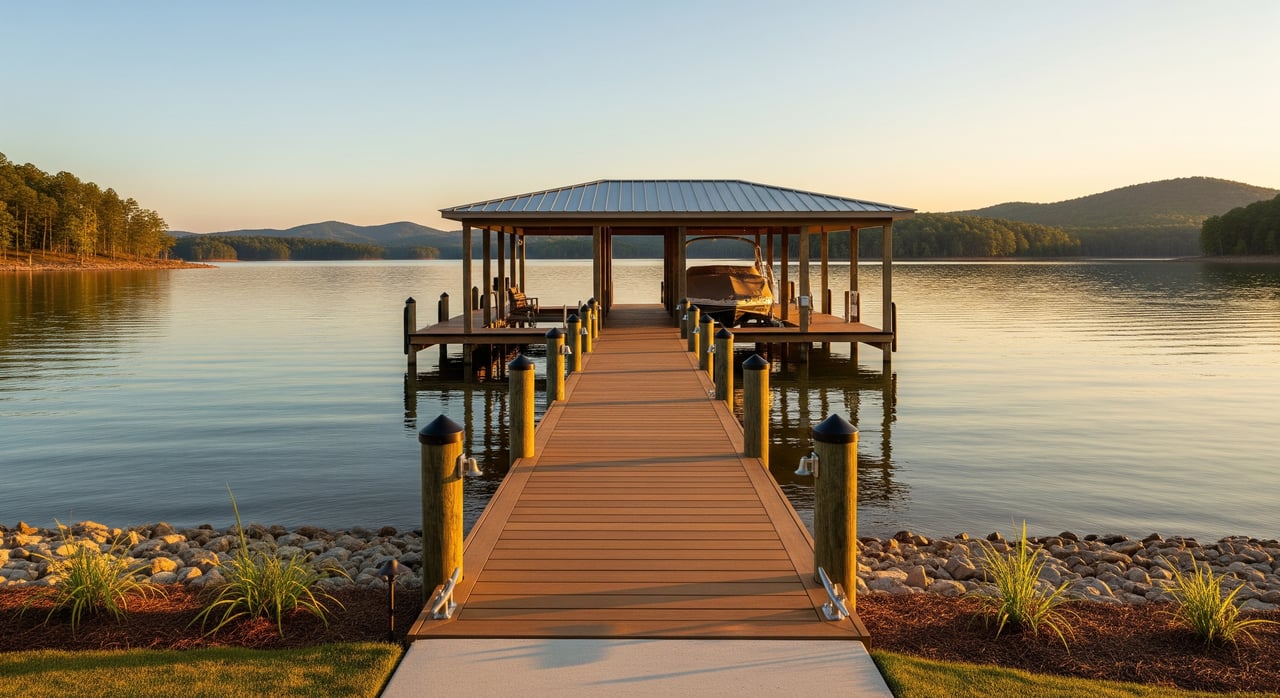
Alabama Power’s Shoreline Management Program typically covers private docks, piers, gangways, boathouses, and sometimes shore stabilization within the managed shoreline. You usually submit a site plan with property lines, the normal pool elevation, proposed structure size and materials, and distances from neighbors. The shoreline program sets limits on footprint and height, setbacks from adjacent docks or channels, and rules for covered structures or roofs on boathouses.
If you plan seawalls, dredging, or fill, federal and state reviews may apply. Some smaller projects can qualify for general permits, while others require individual permits with longer timelines. Local floodplain rules may affect both dock design and insurance.
Can you build a dock on this property
The answer depends on your riparian rights, the shoreline class for your specific location, water depth and safety, and any federal, state, local, or HOA restrictions. Alabama Power’s shoreline office can tell you whether a dock is allowed at a given lot and what type of structure is typical there. If an existing dock is present, confirm that it was permitted and remains in compliance. In some cases, permits can transfer at sale, but you must verify the terms and status.
Buyer due diligence checklist
Use this checklist before you make an offer or go firm:
- Verify waterfront ownership and riparian rights with a current boundary survey that shows lot lines and the normal pool line.
- Request documentation from the seller: copies of shoreline permits, as-built drawings, contractor receipts, maintenance records, and any past violation notices.
- Call Alabama Power’s Shoreline Management Program to confirm any existing permit, the allowed structure class at the site, and any known restrictions or enforcement.
- Review Randolph County and Town of Wedowee requirements for building, septic, and floodplain permits. Check applicable flood maps.
- Look for encumbrances like easements, shared dock agreements, or recorded covenants that affect dock location or use.
- Screen for environmental constraints such as wetlands or protected species that could change the design or timeline.
- Line up local experts early: a lake‑specialist real estate agent, surveyor, experienced dock contractor, and an attorney for deed or HOA review if needed.
- Ask targeted questions: Is there a current Alabama Power permit? Has the dock been modified? Was the shoreline stabilized? Are there HOA or shared-use rules?
- Confirm lender and insurance needs, including any documentation or elevation details they may require for coverage.
Common restrictions and design realities
- Size and footprint: Expect limits on dock size, number of slips, and overall coverage. Some shorelines do not allow roofs or covered boathouses.
- Setbacks and navigation: Docks must keep clear of neighboring structures and boating corridors. Managers often require minimum depths and safe offsets.
- Boat lifts and anchoring: Lifts are common, but anchoring systems and placement must meet shoreline and safety standards.
- Shore stabilization: Riprap is often preferred over vertical bulkheads. Seawalls and fill can trigger stricter review and may require federal authorization.
- Seasonal work windows: In-water work can be limited to specific seasons to protect fish or manage water levels.
- Maintenance and liability: You are responsible for upkeep, safety, and any impacts from your structure. Unpermitted work can lead to penalties and title issues.
Timelines and what to expect
Plan for several steps and some waiting. Preliminary inquiries and site checks can take a few days to a few weeks. Alabama Power shoreline reviews can take weeks to several months, depending on complexity. If a federal or state permit is needed, add more weeks or months. Contractor scheduling and seasonal windows will add time. From first call to new dock in the water, allow several weeks to multiple months.
Costs vary by size, materials, depth, and site conditions. Permitting fees are often modest, but shore stabilization or wetland mitigation can raise total cost. Get multiple quotes and confirm who is handling permit applications so you do not have gaps.
Red flags to watch for
- Seller cannot produce permits or as-built drawings for an existing dock.
- Notices of past violations from Alabama Power or local code enforcement.
- Dock encroaches on easements, or there are active disputes with neighbors.
- Survey does not clearly show riparian boundaries or the normal pool line.
- HOA covenants conflict with your plans for a boathouse, lift, or rental use.
Smart offer strategies
Ask for complete permit files up front, including any correspondence with Alabama Power or other regulators. Add contingencies for permit verification, a satisfactory survey, and HOA review. Consider a feasibility period to consult a dock contractor and the shoreline office. Decide whether the seller will address any compliance issues before closing or credit you for needed work.
Why a lake‑specialist agent helps
Local experience saves time and reduces risk. A lake‑specialist agent knows the shoreline contacts, typical outcomes in specific coves and subdivisions, and the contractors who work efficiently within these rules. That knowledge helps you set realistic timelines, avoid preventable delays, and write smart contingencies.
If you want a guided process tailored to Lake Wedowee, reach out. As a long-time on-the-water pro who conducts showings by boat and navigates these approvals often, Bill Coats can help you confirm what is possible on a specific lot or home and connect you with the right local experts. Schedule a Free Consultation to plan your next steps with confidence.
FAQs
Can I build a dock on a vacant lot at Lake Wedowee?
- It depends on riparian rights, Alabama Power’s shoreline rules for that location, water depth, and any federal, state, local, or HOA restrictions.
How long do Lake Wedowee dock permits take?
- Expect weeks to months. Alabama Power reviews can take several weeks or more, and federal or state permits, if needed, add additional time.
Will an existing dock permit transfer to me at closing?
- Sometimes. You must review the permit terms, confirm the structure is in compliance, and follow the shoreline program’s transfer process.
Can I have a covered boathouse on Lake Wedowee?
- Many shoreline programs restrict or prohibit roofs on boathouses. Check Alabama Power’s rules and any HOA covenants for your specific site.
What happens if the dock is unpermitted?
- You could face retroactive permitting, fines, or removal orders. Work to resolve issues before closing or allocate responsibility in the contract.
Who pays for permitting and construction?
- It is often the buyer for post-closing work, but this can be negotiated. Put all responsibilities and timelines in the purchase agreement.